

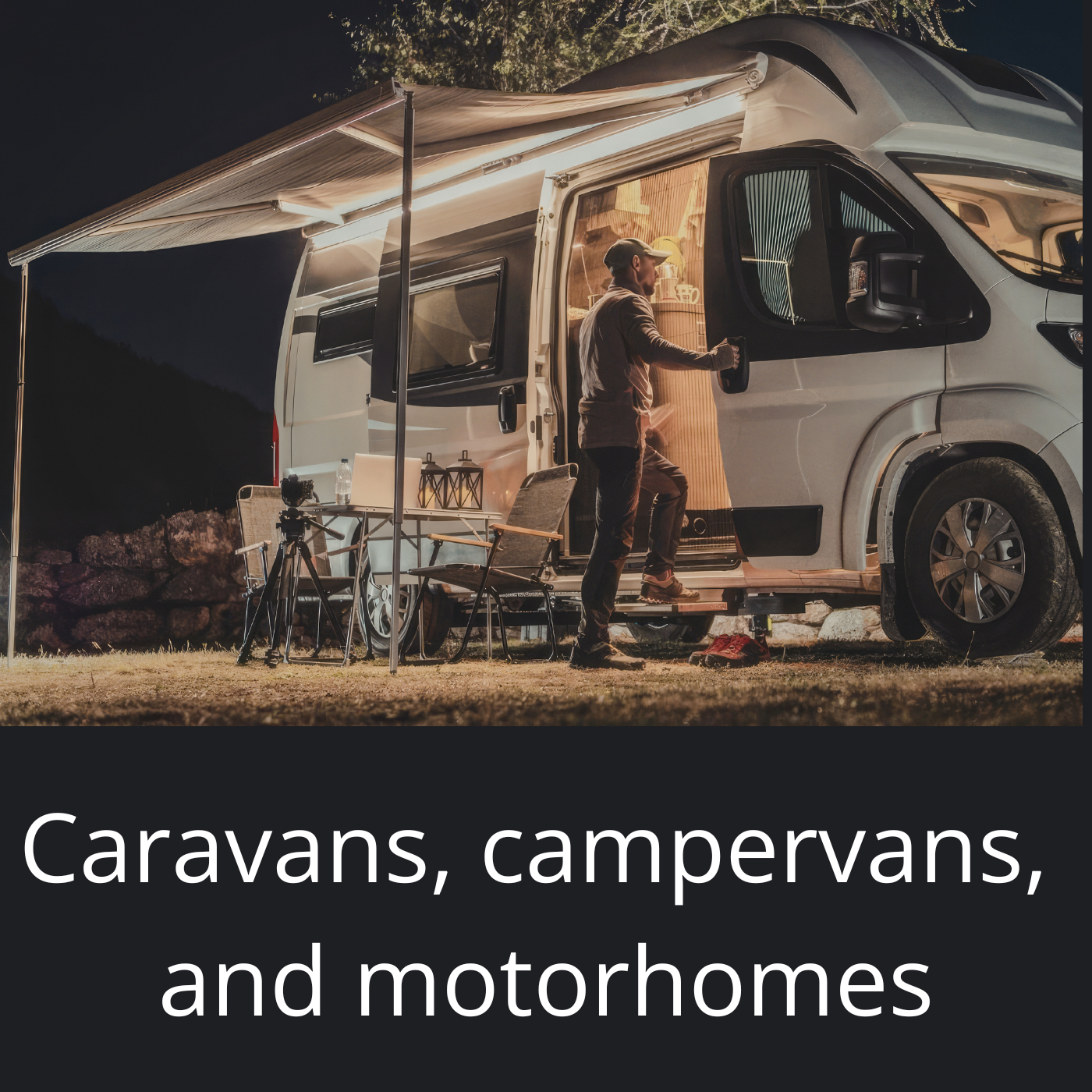
Travelling by caravan, campervan, or motorhome has become a popular way to explore the world with freedom and flexibility. In today’s episode, we’ll look at the differences between these vehicles, useful vocabulary, common expressions, and some fun facts about life on the road. We’ll also discuss why so many people are choosing this lifestyle and what challenges come with it.
Suggestion from Carmen from Málaga. Carmen suggested that we speak about caravans, RVs, motorhomes and share some useful vocabulary like to tow, to hook up, a home on wheels etc.
Camping: https://inglespodcast.com/176
Vocabulary and collocations
Caravan (UK/Aus) / Travel Trailer (US): A separate living structure that has no engine of its own and must be towed by a car or SUV.
Campervan: A smaller, self-propelled vehicle (typically a converted van like a Volkswagen or Mercedes Sprinter) where the driving cabin and living space are connected. Easy to park; synonymous with modern “Van Life”, though the original VW campervan dates way back to 1950 and is still beloved today by millions.
Motorhome (UK) / RV (Recreational Vehicle – US): A large, purpose-built vehicle with a truck or bus chassis. It offers maximum comfort, often including proper bathrooms, kitchens, and sometimes “slide-outs” to extend the living space.
to tow
to hook up – unhitch
hook-up point (electricity/water)
off-grid
to hit the road
a home away from home
self-catering
awning shelter
vehicle conversion – turning a van into a campervan
the Great Outdoors
life on the (open) road

Fun facts
The world’s first purpose-built, horse-drawn leisure caravan was built in the UK in 1885 for a popular author named Gordon Stables. It was called “The Wanderer.”
The Pandemic Boom: The demand for campervans and motorhomes skyrocketed globally after 2020, as people sought “staycations” (holidays spent in one’s home country) and socially distanced travel.
The “Van Life” Economy: On social media, #VanLife is a multi-million dollar aesthetic. People spend tens of thousands of dollars converting old delivery vans into luxury, minimalist, wood-paneled homes.
What are the pros and cons of caravans and campervans?
Pros
Great for kids
often cheaper than hotels
flexibility and freedom (sleep almost anywhere)
travel at your own pace, spontaneous
campsites are social
Cons
slow on roads
large and cumbersome – not suited for cities (difficult to park)
limited space inside
self-catering is not everyone’s cup of tea
higher fuel consumption than a car
not very secure and may be broken into
prone to more mechanical problems than an ordinary car
Discussion
If you had to travel across the country for a month, would you prefer the compactness of a campervan or the luxury of a motorhome? Why?
The VW campervan became a hippy symbol in the 1960s and has remained so ever since. What makes it stand out and be so enduring even today?
…and now it’s your turn to practise your English. Would you prefer to stay in a hotel or hit the road in a campervan, caravan or motorhome
Send us a voice message. https://www.speakpipe.com/inglespodcast
Send us an email with a comment or question to craig@inglespodcast.com or belfastreza@gmail.com
If you’re a Spanish speaker and you want to improve your English with free and paid resources, visit the mansioningles website at mansioningles.com and for paid products you can browse the online store at https://store.mansioningles.net/

If you would like a full transcription of this podcast you might consider joining our Patreon program. As a Patreon member, you’ll receive the full transcription by email every week so that you can read every word that we say and you’ll get a monthly invitation to join Craig for an informal chat on Zoom to practise your speaking. https://www.patreon.com/inglespodcast

In next week’s episode: English Vocabulary for the City
If you enjoyed this podcast, please tell your friends.
The music in this podcast is by Pitx. The track is called ‘See You Later’