

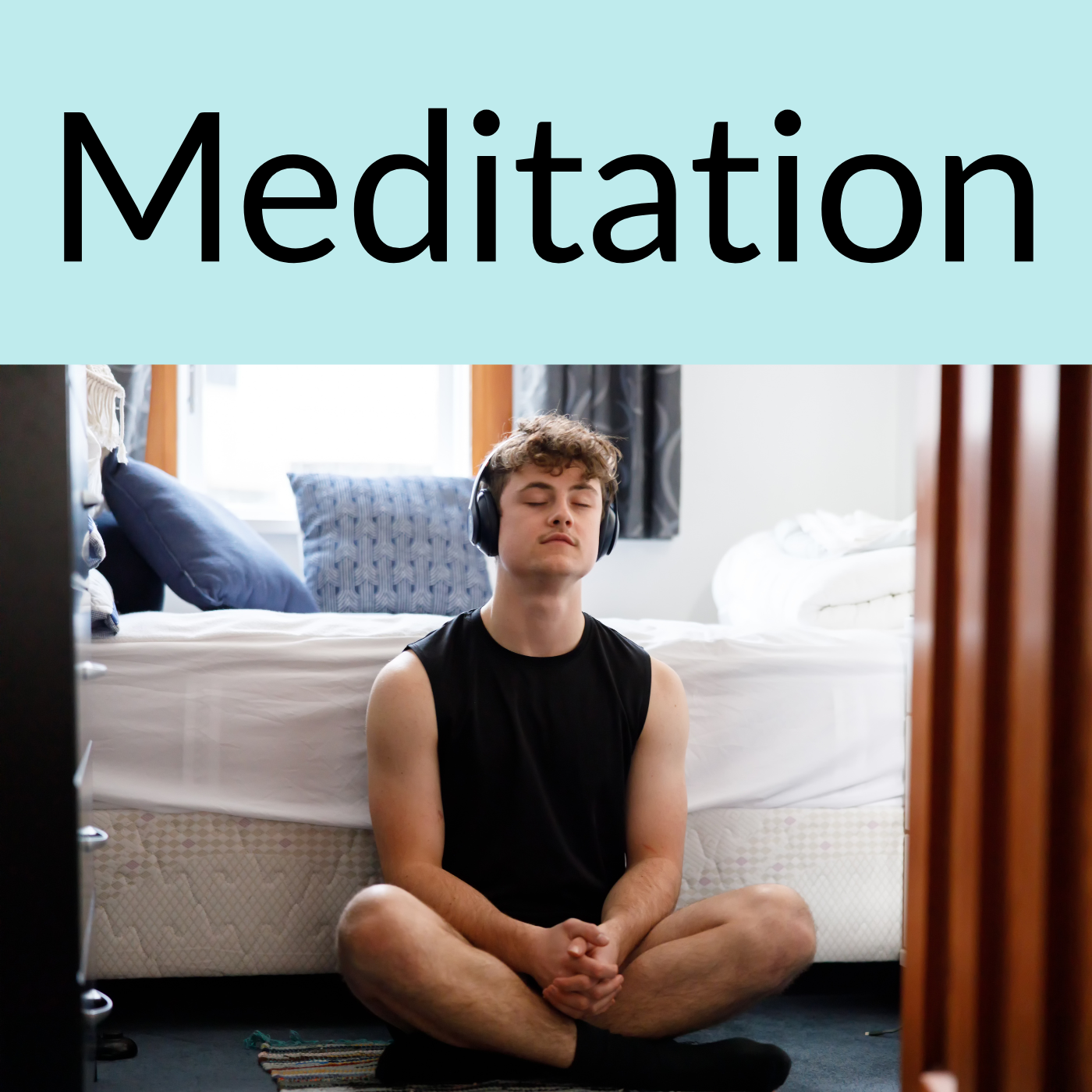
In this podcast, you’ll learn what meditation really is, how to start doing it, and why it can improve concentration, mood, and even language learning.
Many people think meditation means emptying your mind — it doesn’t. Meditation is actually training your attention. You’ll learn how to do that today.
Email from Honorio from Australia regarding episode https://inglespodcast.com/608
I’ve just listened to the podcast about Australia, and I want to say that I totally agree with you (Craig) regarding the prohibition of social media for people under 16.
I live in Australia and, unfortunately, this has been the way the government has been dealing with social issues: populist, inefficient measures.
For instance, last October, at a shopping mall in Melbourne, there was a case of an attack with machetes. No one died, but there were people with serious injuries and a lot of confusion in the mall.
What did the government of Victoria (the state where Melbourne is located) do? The following week, they banned the sale of machetes!! A measure that was widely praised by the mainstream media.
It’s ridiculous! Machetes are not the problem. The problem is how people use them. What if they had used kitchen knives? Will they prohibit sales of kitchen knives? The same with social media: the problem is not the apps themselves, but the way people use them.
Investing in education, making children know the problems and how to avoid them, encouraging parents to be more involved.
These are the kind of measures that go directly to the root of the problem and are much more efficient in the long run.
But they are expensive, have no immediate results, and don’t attract media attention. Populist governments don’t like this kind of solution.
I had a professor at Uni who once said to the class: “For every complex problem, there is a simple, cheap, fast and completely wrong solution”.
Anyway, the modern world is not functioning very well…Congrats and thanks for your excellent podcast.
Cheers!
Honorio
PS: the platforms banned were: YouTube, X, Facebook, Instagram, TikTok, Snapchat, Reddit, Twitch, Threads and Kick.
(not sites like https://rumble.com/
Meditation
We haven’t spoken about meditation before, but we have touched on related topics like Work-life balance, relieving stress and Stoicism.
Vocabulary
Mindfulness: Being fully present in the moment.
Guided Meditation: When a teacher “leads” you through the process with their voice.
To wander: To move away from the main path (used for the mind/thoughts).
Awareness: Knowledge or perception of a situation or fact.
What is meditation?
Meditation is a mental exercise where you focus your attention on one thing, usually breathing. Notice body sensations, sounds and thoughts (observed, not controlled). The goal is NOT to stop thinking. The goal is to notice thinking — and return attention gently.
Think of it like a gym workout for the brain. You practise bringing your attention back, again and again.
Why people find it difficult
Your brain naturally produces thoughts constantly.
Beginners often say: “I can’t meditate — I think too much.” But that is meditation.
Each time you notice distraction and return focus → you succeed.
A simple 3-minute meditation (for listeners)
Sit comfortably (chair is fine)
Close your eyes
Breathe normally
Feel the air entering and leaving your nose
When the mind wanders, notice it
don’t judge it
gently return to breathing
That’s it!
What happens during meditation?
You will experience: thoughts, planning, memories, boredom, impatience. All this is normal!
Meditation is practising awareness, not control.
Advantages of meditation
Mental benefits: better concentration, Improved memory, faster refocusing after distraction, clearer thinking
Emotional benefits: reduced stress, lower anxiety, better emotional regulation, less overthinking
Physical benefits: lower heart rate, better sleep, reduced muscle tension
Neuroplasticity: Studies show meditation can actually thicken the parts of the brain responsible for memory and learning
Meditation and language learning
Meditation helps because it trains:
Attention → listening skills
Patience → speaking confidence
Awareness → pronunciation improvement
You notice mistakes earlier and panic less when speaking.
Common myths
You must sit cross-legged → false
You must clear your mind → false
You need 30 minutes → false
You must be spiritual → false
Even 2 minutes daily works.
Like language-learning, consistency matters more than duration.
Practical tips for beginners
Start with 2 minutes per day
Same time each day (habit) Expect distraction
Don’t evaluate sessions as “good” or “bad”
The only bad meditation is the one you didn’t do!
Recommended apps for guided meditation
https://www.calm.com/
https://www.headspace.com/
https://www.wakingup.com/
Final idea
Meditation doesn’t change your thoughts. It changes your relationship with your thoughts.
And that changes everything!
…and now it’s your turn to practise your English. Have you ever tried meditation? Maybe you tried it after listening to this podcast. Tell us about your experience and we’ll talk about it in a future episode!
Send us a voice message. https://www.speakpipe.com/inglespodcast
Send us an email with a comment or question to [email protected] or [email protected]
If you’re a Spanish speaker and you want to improve your English with free and paid resources, visit the mansioningles website at mansioningles.com and for paid products you can browse the online store at https://store.mansioningles.net/

If you would like a full transcription of this podcast you might consider joining our Patreon program. As a Patreon member, you’ll also get an invitation once a month to join Craig for an informal chat on Zoom to practise your speaking and you’ll have the warm, fuzzy feeling of supporting the podcast. https://www.patreon.com/inglespodcast

Welcome to our new Patreon supporters who have joined us this month:
Małgorzata Wawer
In next week’s episode: Popular English Similes & How to Use Them
If you enjoyed this podcast, please tell your friends.
The music in this podcast is by Pitx. The track is called ‘See You Later’